
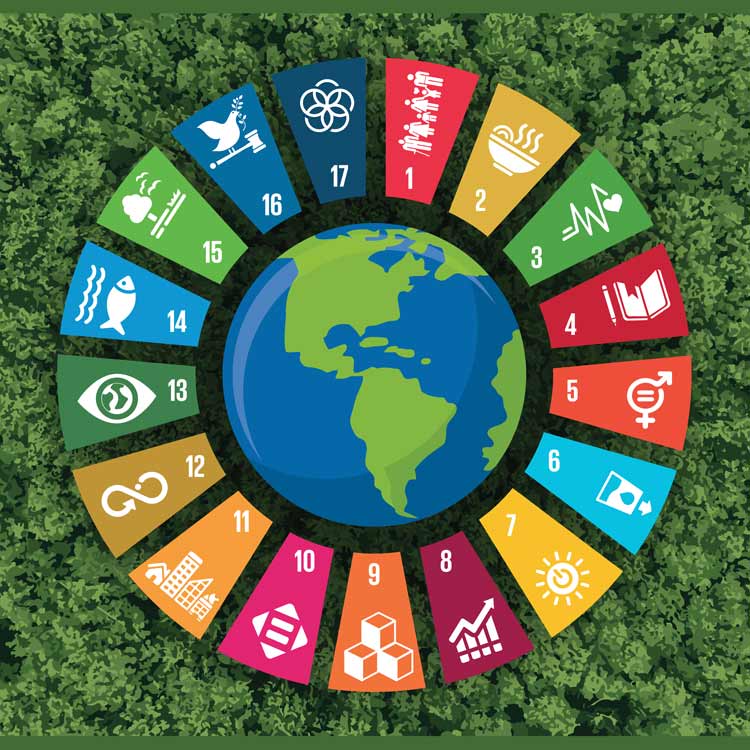
Sustainable website design is a term that you may not have heard before, so what does it mean?
It refers to the creation of websites that are environmentally friendly and have a positive impact on the planet. As climate change and environmental issues are a concern for many businesses, sustainable website design is becoming increasingly important. Not only does it benefit the planet, but it also has many other benefits for your business.
So, what are the key elements of sustainable website design? Firstly, it involves using eco-friendly web hosting services. This means that the server where your website is hosted is powered by renewable energy sources, such as wind or solar power. This reduces the carbon footprint of your website and helps to combat climate change. There are many web hosting companies that offer eco-friendly options, so be sure to do your research before choosing one.
Another important aspect of sustainable website design is the use of sustainable materials. This includes using sustainable or recycled paper for printing, using energy-efficient devices to create and maintain the website. By using sustainable materials, you can reduce waste and contribute to a more environmentally conscious business model.
It’s important to design websites with energy efficiency in mind. This includes optimising images and videos for web use to reduce the amount of data needed to load the page, using efficient coding techniques to reduce the size of the website, and implementing caching strategies to improve website performance. These measures not only benefit the environment, but they also improve the user experience and can lead to faster loading times for your website. Faster loading is also better for your SEO (Search engine optimisation).
Sustainable website design also involves creating websites that are accessible for all users, regardless of their abilities. This means using accessible design elements, such as descriptive alt text for images and captions for videos, and ensuring that the website is compatible with assistive technologies (screen readers are one example). By making your website accessible to everyone, you are promoting inclusivity and making it easier for all users to access your services or products.
Sustainable website design is about creating websites that have a positive impact on the environment and are accessible to all users. By choosing eco-friendly web hosting, using sustainable materials, designing for energy efficiency, and promoting accessibility, you can create a website that not only benefits your business but also helps to reduce your carbon footprint.
Next time you’re considering creating or revamping your website be sure you are working with a company who understands sustainability.
Join us in helping save the world, one website at a time!